Get Top Dollar for Scrap Metal in Sacramento
How to Get the Best Price for Scrap Metal in Sacramento: A Step-by-Step Seller's Guide
Most scrap yards in Sacramento will quote you one price. Take it or leave it. That's not a market — that's a guess that favors the buyer. If you're sitting on a load of copper, a pile of mixed non-ferrous, or even a steel safe you're wondering what to do with, you deserve to know what your material is actually worth before you hand it over for less than it should fetch.
This guide walks you through exactly how to identify, grade, document, and sell your scrap — so you stop leaving money on the table. Copper is currently trading at historically elevated levels (LME copper hit near $14,900/tonne in mid-August 2026), and zinc is at more than four-year highs. The macro market is working in your favor right now. The question is whether your selling process is working for you too.
Ready to explore the SMASH scrap metal marketplace and find out what competitive bidding actually looks like? Read on first — preparation is what separates a good sale from a great one.
Step 1 — Know What You Have Before You Call Anyone
Showing up at a yard without knowing your material grades is like selling a truck without knowing the mileage. You'll accept whatever number they throw at you. The first step to getting the best price for scrap metal in Sacramento is understanding exactly what you're selling.
Here's a quick-reference breakdown of the most common scrap categories and how to identify them:
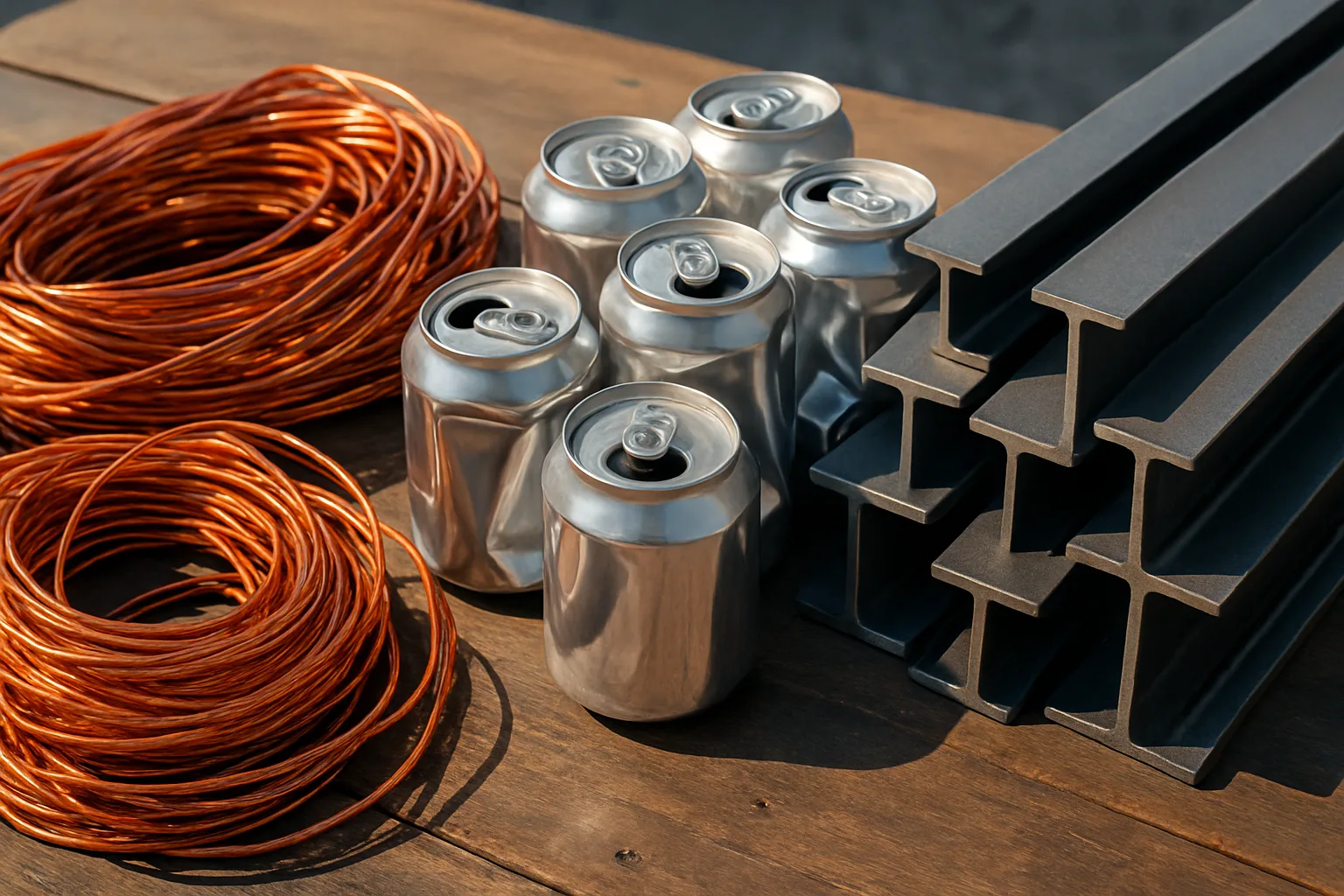
- Bare bright copper: Clean, uncoated, unalloyed copper wire. No insulation, no solder, no fittings. This is the top-grade copper — and right now, it's commanding serious attention from buyers.
- #1 copper: Uncoated copper pipe or solid wire, free of fittings and oxidation. Slightly below bare bright, but still premium material.
- #2 copper: Pipe or wire with solder, paint, or minor oxidation. A grade down, but still valuable.
- Insulated copper wire (ICW): Graded by copper recovery percentage. A "65% ICW" load has roughly 65% recoverable copper content. Know your recovery rate before you price.
- Aluminum breakage: Mixed aluminum with some attachments or contamination. Lower per-pound price than clean aluminum.
- Clean aluminum: Extrusions, cast, or sheet aluminum — free of iron, plastic, or rubber.
- HMS 1 & 2 (Heavy Melting Steel): Ferrous steel in large structural pieces. HMS 1 is cleaner, HMS 2 allows more mixed grades and light gauge.
- Shredder feed: Mixed ferrous that goes through a shredder. Lower value per ton, but it clears your yard fast.
Use a magnet. If it sticks, it's ferrous. If it doesn't, you've got non-ferrous — and non-ferrous is where the real pricing variability lives. Don't let a buyer sort your load for you. Sort it yourself and sell each grade separately where it makes sense.
Step 2 — Weigh, Document, and Photograph Everything
Documentation isn't just about compliance — it's leverage. A well-documented load gives a buyer confidence. Confidence translates into stronger bids. Buyers who are guessing at weights and grades will discount their bids to protect themselves. Give them the data, and they have no reason to lowball you.
Here's what good documentation looks like before you list or sell any load:
- Weigh your material on a certified scale. If you're running a recycling yard in Sacramento, your floor scale is your foundation. Get accurate gross, tare, and net weights. These go on your packing list.
- Photograph the load from multiple angles. Top-down, side view, close-ups of grade-specific material. If you're selling catalytic converters, photograph each unit individually. VIN lookups and serial tracking matter for cats — buyers need to see what they're bidding on.
- Create a packing list or inventory sheet with: material type, grade, estimated weight, number of units, and any relevant condition notes.
- Track your BOL (Bill of Lading) information if the load is being transported. A clean, complete BOL removes friction at the point of sale and speeds up settlement.
- Note any contamination honestly. A mixed-metal load that's clearly disclosed upfront holds more value than one that surprises a buyer at inspection. Transparency builds trust and repeat business.
Platforms like SMASH Scrap — North America's B2B scrap metal auction platform use structured inventory tools that walk you through this process systematically. You input weights, grades, photos, and condition — and that package goes to every vetted buyer in the auction simultaneously. No phone tag. No one buyer cherry-picking your data.
Step 3 — Understand What Drives Your Local Sacramento Scrap Price
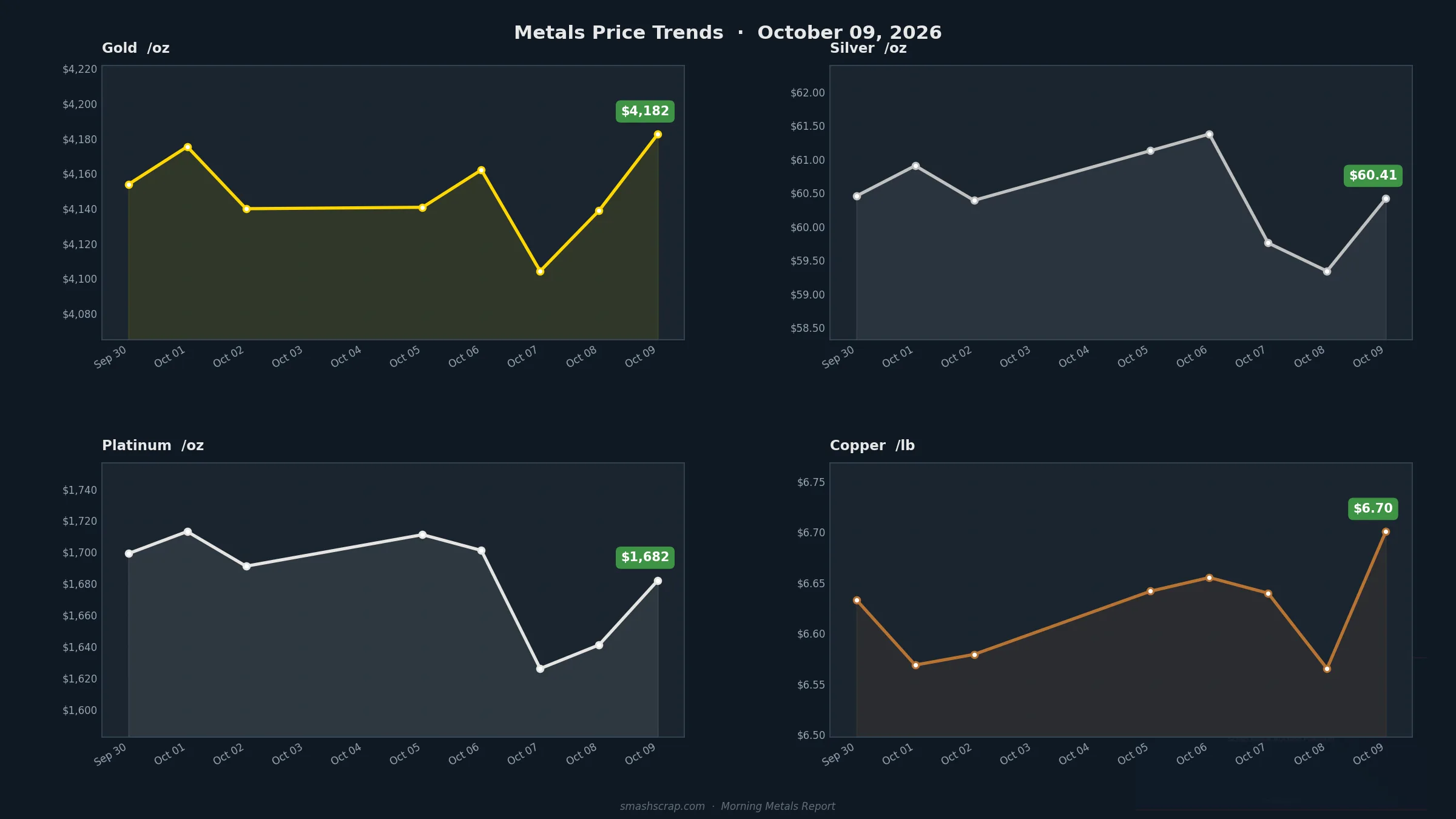
Sacramento scrap prices don't live in a vacuum. They're pulled by national and global commodity markets, and right now those markets are moving fast. Non-ferrous metals — especially copper and zinc — are experiencing significant upward pressure in August 2026 due to U.S. tariff distortions affecting global supply flows and tightening refined-metal inventories.
Here's what Sacramento sellers should be watching right now:
- Copper pricing: LME copper has been trading near multi-year highs, briefly touching $14,900/tonne in mid-August. That movement rolls downhill into local non-ferrous scrap pricing with a lag — but it does roll. Your #1 copper and bare bright loads are positioned well right now.
- Zinc strength: Zinc extended gains for a sixth straight session and returned to four-year highs on supply concerns. If you're handling zinc-bearing material — galvanized steel, die-cast alloys — pay attention to this.
- Silver and platinum group metals (PGMs): Spot silver was up 0.7% to $69.09 and palladium up 1.4% to $1,345.30 as of August 26. If you're selling catalytic converters, PGM values directly impact your cat prices. Don't sell cats on a down day without checking the current market.
- Steel and ferrous: The HMS market is quieter than non-ferrous right now, but European scrap export pricing is influencing North American demand — worth tracking if you move large ferrous tonnage out of California.
For ongoing steel scrap market analysis and commodity moves that affect what your material is worth, read the latest scrap industry news on the SMASH blog.
Can You Sell a Safe for Scrap Metal? What Sacramento Sellers Need to Know
It's one of the most Googled questions in the scrap world: can you sell a safe for scrap metal? Short answer — yes, in most cases. But there are a few things to know before you haul one in.
Most residential safes are constructed from heavy-gauge steel, often with concrete or composite fire-resistant material between the inner and outer steel walls. That filler material reduces the recoverable steel content and can affect the per-pound rate a yard will pay. Here's how to approach it:
- Identify the construction: A basic steel-bodied safe without fire lining is closer to HMS-grade material. A fireproof safe with composite or concrete fill will need to be processed differently — some yards will cut it first.
- Get the weight: Safes are dense. A standard residential safe can run anywhere from 100 lbs to over 500 lbs depending on size. Know your weight before you negotiate a price.
- Check local Sacramento regulations: California has specific requirements around the sale of large metal items to recyclers, including ID verification under the California Scrap Metal Theft Prevention Act. Have your documentation ready.
- Don't assume one buyer is the ceiling: A heavy steel safe is worth shopping around. The weight alone makes it meaningful tonnage, and a competitive process will surface better offers than a single phone call to one yard.
The same principle applies here as it does for any load: one buyer, one price, one guess. More buyers means better price discovery.
Step 4 — Use an Auction Format to Let the Market Find Your Price
This is where most Sacramento scrap sellers leave money behind. The default approach — call your regular yard, accept their quote, load the truck — feels efficient. But it's not a market. It's a negotiation with one party who has every incentive to pay you less.
A scrap metal auction online changes that dynamic entirely. When multiple vetted buyers compete for your load simultaneously, the price discovery process works the way it's supposed to. Buyers have to beat each other, not just beat your ignorance of the market.
With SMASH, the process works like this:
- You build your inventory listing using the SMASH inventory tool — grades, weights, photos, packing list details.
- Your load goes live to the SMASH vetted buyer network. These are qualified, credentialed buyers — not random inquiries.
- Buyers submit competitive bids through the platform. You see everything. No backroom deals, no mystery pricing.
- You accept the winning bid. Auto-invoicing handles the paperwork.
- Settlement follows the agreed terms. No chasing checks, no billing disputes.
No subscription fees. SMASH only wins when you win. That's the model. If you're running a recycling operation in Sacramento or anywhere across California and you're still relying on a single buyer relationship for your non-ferrous, you're not running a business — you're running a favor.
Also worth exploring: getmyscrapcar.com if you're processing end-of-life vehicles as part of your operation.
Step 5 — Build a Repeatable Process, Not a One-Time Transaction
Getting the best price for scrap metal in Sacramento isn't a single event. It's a system. Yards that win consistently aren't just luckier — they're more organized, better documented, and smarter about where they sell.
Build your process around these habits:
- Grade at intake, not at sale. Sort and identify material when it comes in the door. It takes five minutes then and hours to fix later.
- Track inventory by grade and weight on an ongoing basis. Don't wait until you have a truckload to start counting. Know your tonnage position at all times.
- Watch the market weekly. Copper, zinc, PGMs, HMS — these move. Selling into strength is a skill worth developing.
- Use the tools that exist. Scrap metal inventory management software, VIN lookup for vehicles, serial tracking for catalytic converters — these tools exist because they make the sales process faster and the documentation cleaner.
- Compete every load. Even if you have a preferred buyer, running a competitive process occasionally tells you whether your relationship pricing is actually market pricing.
Consistency beats luck every time. Build the system, run the auction, and let the market tell you what your scrap is worth.
Frequently Asked Questions
Q: How do I get the best price for scrap metal in Sacramento?
Sort and grade your material before you sell. Document weights, grades, and condition with photos and a packing list. Then use a competitive process — like a scrap metal auction online — to expose your load to multiple buyers at once. One buyer, one price is not a market. Competition is.
Q: Can you sell a safe for scrap metal in Sacramento?
Yes. Most safes are primarily steel and can be sold as scrap. Fireproof safes may contain concrete or composite fill between steel walls, which reduces recoverable metal content and can affect your per-pound rate. Confirm the construction, weigh the unit, and check California ID verification requirements before you sell.
Q: What is scrap metal inventory management and why does it matter?
Scrap metal inventory management means systematically tracking what material you have, in what grade, and at what weight — before you sell it. Documented, organized inventory gets stronger bids because buyers can price with confidence instead of discounting for uncertainty. Platforms like SMASH have built-in inventory tools that make this straightforward.
Q: How does a scrap metal auction online work for sellers?
You build a listing with your material details — grades, weights, photos, packing list. The listing goes live to a network of vetted buyers who submit competitive bids. You see all bids transparently and accept the winner. Auto-invoicing handles the paperwork. No subscription fees — the platform earns when the seller earns.
Q: Does the current copper market affect what I get for scrap in Sacramento?
Yes, directly. LME copper prices influence what U.S. scrap buyers are willing to pay for non-ferrous material locally. With copper near multi-year highs as of August 2026, non-ferrous scrap sellers in Sacramento and across California are in a favorable position — but you still need a competitive selling process to capture that value. One buyer won't volunteer the upside to you.
Disclaimer: Scrap metal prices fluctuate daily based on commodity markets, regional supply and demand, and material grade. Always verify current rates before finalizing any transaction.
List your scrap on SMASH today — register for free at smashscrap.com.
Follow SMASH on LinkedIn for weekly scrap market insights, industry updates, and tips on getting more from every load you sell.