Erie Scrap Metal Industry Trends & Best Pricing
Erie Yards Are Paying — But Are You Leaving Money on the Table?
If you're trying to sell scrap metal in Erie, you already know the basics: load up the truck, drive to the yard, take whatever price they post on the board. That's how it's always been done. But that single-buyer model costs you every time you pull up to the scale. One buyer, one price, no negotiation. The math doesn't work in your favor.
Erie sits in a strong industrial corridor. Steel, manufacturing, and heavy industry have shaped this region for generations — and that means scrap moves here. Copper, aluminum, catalytic converters, shred steel, non-ferrous loads — there's real volume, and there are real buyers who want it. The question is whether you're getting paid what that material is actually worth on the open market.
This guide covers what sells in Erie, how to prep your material, what Pennsylvania regulations you need to know, and how SMASH Scrap — North America's B2B scrap metal auction platform puts competition back in your corner.
What Types of Scrap Are in Demand in Erie, Pennsylvania
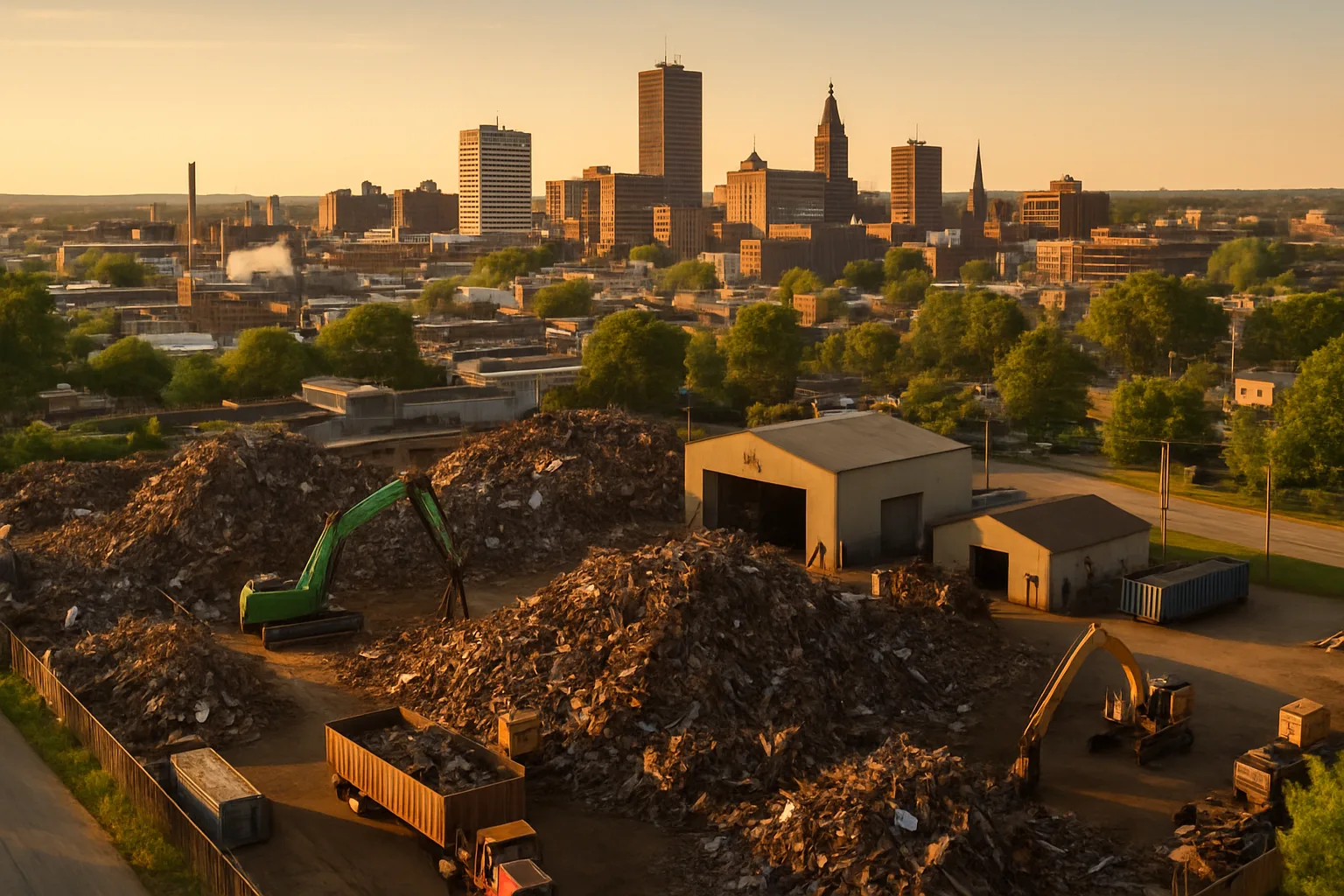
Erie's industrial roots run deep. You've got manufacturing facilities, auto recyclers, construction outfits, and everything in between generating scrap every week. The material mix reflects that. Here's what moves consistently in this market:
- Ferrous metals: Heavy melt, shredable steel, plate and structural (P&S), cast iron, and light iron. Volume is king here — buyers want truckload quantities whenever possible.
- Copper: Bare bright, #1 copper, #2 copper, insulated wire, copper pipe. Copper remains one of the highest-value non-ferrous metals you'll handle. Documentation matters — expect Pennsylvania yards to scrutinize freshly cut copper closely.
- Aluminum: Extrusions, cast aluminum, aluminum breakage, clean sheet, and mixed clips. Auto-related aluminum has been climbing with EV manufacturing shifting material types across the supply chain.
- Catalytic converters: High-value, tightly regulated. Buyers need proof of origin, repair invoices, or business documentation. Don't walk in with loose cats and expect a smooth transaction without paperwork.
- Stainless steel and brass: Specialty grades need proper sorting. Mixed or contaminated loads get downgraded fast — and docked harder at some yards than others.
- E-scrap and motors: Electric motors, transformers, and some industrial components move through Erie-area yards regularly. Prep and sort to maximize your return.
U.S. raw steel output is running roughly 3.3% ahead of last year according to industry data as of late June 2026 — demand is there. But market prices shift weekly. Prep your loads, document your material, and know what grade you're selling before you pull up to any scale.
How to Find Reputable Scrap Buyers in Erie
Not all yards operate the same way. Some are transparent, certified, and consistent. Others move the goalpost on price once your truck is already on the scale. Knowing how to evaluate a buyer before you commit saves you time and money.
Here's what to look for in any Erie-area scrap buyer:
- State-certified scales. Ask when the scale was last inspected. You're entitled to a printed weight ticket showing gross, tare, and net. If a yard resists that, it's a red flag.
- Posted pricing or transparent quotes. Reputable buyers will tell you their price per pound before you unload. Surprises at settlement aren't acceptable.
- Proper licensing. Scrap dealers in Pennsylvania must be licensed and are required to record seller identity, vehicle plate, date, and material description. That's not optional — it's the law. If a yard skips this, walk away.
- Clean facilities with professional staff. This sounds basic, but yards that run organized operations tend to run honest ones too.
- Clear policies on catalytic converters and copper wire. These are high-risk materials from a metal theft perspective. Legitimate yards have documented intake processes. Know those requirements before you show up.
For B2B sellers moving consistent volume, the local-yard-only model limits your options by definition. Explore the SMASH scrap metal marketplace and see what vetted buyers across North America will bid on your loads — buyers who are competing for your material, not setting a take-it-or-leave-it price.
Pennsylvania Regulations Every Scrap Seller Should Know
Pennsylvania takes scrap metal regulation seriously — and Erie is no exception. If you're operating as a business seller, you need to understand the compliance landscape before you start moving loads.
Identity and record-keeping requirements: Every scrap transaction requires seller ID (driver's license or state ID), vehicle plate, date and time, and a description of the material. Records are typically kept for two to five years. This isn't paperwork for paperwork's sake — it's tied to statewide metal theft prevention efforts.
Catalytic converter documentation: This is where sellers get caught off guard. In Pennsylvania, selling cats without proof of origin is a serious issue. If you're a repair shop, auto recycler, or dismantler, you need repair invoices, business documentation, or title records to back up what you're selling. No documentation, no deal — and potentially worse.
Cash payment thresholds: Larger transactions at Pennsylvania yards are often settled by check, not cash. Some thresholds trigger mandatory check payment or delayed settlement. Know this ahead of time so it doesn't blindside you on settlement day.
Environmental and zoning rules: Scrap operations in Erie must comply with local zoning (typically industrial or heavy commercial zones), Pennsylvania DEP stormwater and runoff standards, and noise and outdoor storage regulations. If you're operating a collection point or aggregating material before selling, confirm your site is in compliance before you scale up.
Scale certification: All commercial scales must be state-certified and inspected on a regular schedule. Always request a printed weight ticket. If the numbers don't add up to what you hauled, you have a right to challenge it.
Tips for Getting the Best Price on Your Scrap Loads
Preparation is the difference between a good ticket and a mediocre one. Yards grade your material at intake — anything mixed, contaminated, or unsorted gets downgraded. You absorb that cost. Do the work upfront.
Here's how to put more money in your pocket on every load:
- Sort before you haul. Don't mix copper grades. Don't let insulated wire contaminate bare bright. Separate ferrous from non-ferrous. Each grade has its own price — mixed loads get priced at the lowest-grade component.
- Document everything. Photos of your load before it leaves your yard. Weight estimates. Lot numbers for cats and cores. Serial tracking where applicable. Documentation gives buyers confidence — and confidence translates to better bids.
- Know your weights. Get your own estimates before you roll. If a yard's scale reads significantly different from your expectation, ask questions before you accept the ticket.
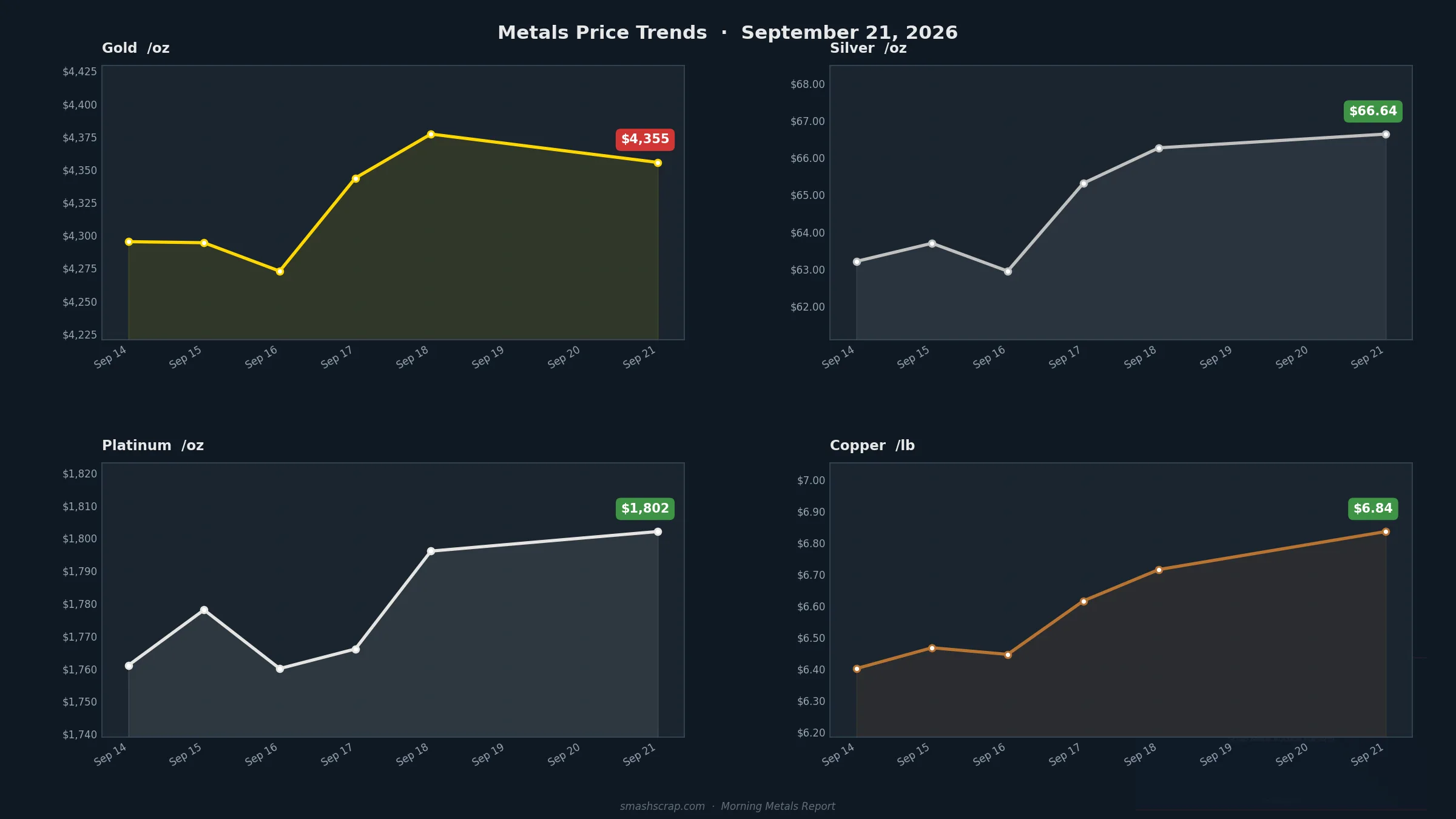
- Time the market where possible. Copper, aluminum, and cat prices fluctuate with global commodity markets. You don't always get to time it perfectly, but holding a load for a few days during a price dip can make a real difference on large quantities.
- Put your loads in front of multiple buyers. This is the most powerful lever you have. One buyer means one price. Competition means price discovery. More buyers bidding on the same load reveals what your material is actually worth on the open market.
That last point is exactly what the B2B scrap metal marketplace model is built around. Single-buyer transactions leave money on the table by design — there's no incentive for that buyer to offer more than the minimum you'll accept. Auction formats change that dynamic entirely.
How SMASH Makes Selling Scrap in Erie Easier
SMASH is built for yards and B2B sellers who move real volume. Not hobbyists. Not one-time sellers. If you're running a yard, a dismantling operation, a fleet recycler, or any industrial business generating consistent scrap, SMASH gives you a better process than cold-calling buyers and guessing your price.
Here's what that looks like in practice:
- Vetted buyers only. Every buyer on the platform has been screened. No tire-kickers, no low-ball lowballers with no ability to close.
- Auction format. Your load goes in front of multiple buyers simultaneously. Competition does the work. More buyers means better price discovery — that's not marketing language, that's how markets function.
- Inventory and documentation tools. VIN lookup, serial tracking, photo documentation, and packing lists built into the platform. Your load arrives with paperwork that backs it up. Buyers pay more for documented material — less uncertainty, less risk on their end.
- Auto-invoicing. The paperwork generates itself. No chasing buyers for BOLs or settlement documents.
- No subscription fees. SMASH only wins when you win. There's no monthly charge to list your inventory.
Whether you're moving catalytic converters, copper loads, or mixed non-ferrous material out of Erie, SMASH connects you to a buyer network that's competing for your material — not just waiting for you to accept their number.
Want to stay current on market conditions before you list? Read the latest scrap industry news on the SMASH blog to track what's moving and where prices are heading.
And if you're also looking to move end-of-life vehicles as part of your operation, schedule a free scrap car pickup through our partner platform.
Disclaimer: Scrap metal prices fluctuate daily based on global commodity markets, regional supply and demand, and material grade. Always confirm current rates before committing to a sale. Nothing in this guide constitutes a price guarantee.
Frequently Asked Questions
Q: Do I need to show ID to sell scrap metal in Erie, Pennsylvania?
Yes. Pennsylvania law requires scrap dealers to record seller identity — typically a driver's license or state-issued ID — along with vehicle plate, date, and a description of the material sold. This applies to both individual and business transactions. Come prepared.
Q: Can I sell catalytic converters in Erie without documentation?
Not at any reputable yard. Pennsylvania scrap buyers require proof of origin for catalytic converters — repair invoices, business documentation, or title records are standard. Selling cats without documentation exposes both you and the buyer to legal risk. If you're a licensed dismantler or repair operation, keep your records clean and accessible.
Q: What is a B2B scrap metal marketplace and how does it differ from a local yard?
A B2B scrap metal marketplace like SMASH connects business sellers directly with vetted buyers through a competitive auction format, rather than a single-buyer transaction at a fixed posted price. The key difference is competition — multiple buyers bidding on the same load gives you price discovery instead of a take-it-or-leave-it number. It's built for sellers moving consistent volume, not one-time casual loads.
Q: How do I sell catalytic converters online safely?
To sell catalytic converters online, you need a platform with vetted buyers, documented intake processes, and serial tracking. SMASH handles all of that — photo documentation, serial number tracking, and a buyer network that's been screened for legitimacy. Always have your proof of origin ready before you list.
Q: What scrap metals are most valuable to sell right now in Erie?
Copper, catalytic converters, and clean aluminum consistently rank among the highest-value materials in any market. Prices fluctuate with global commodity indexes, so check current rates before you commit to a sale. Sorted, documented loads always command better prices than mixed or unprepared material — regardless of what the market is doing that week.
List your scrap on SMASH today — register for free at smashscrap.com. No subscription fees. No guessing your price. Just competition working in your favor.
Follow SMASH on LinkedIn for scrap metal market insights, industry news, and platform updates delivered straight to your feed.