
Jersey City New Regs Transform Scrap Metal Recycling
New Jersey Strengthens Scrap Metal Tracking Requirements in 2026
Jersey City scrap dealers face updated compliance requirements as New Jersey implements enhanced tracking protocols for scrap metal recycling Jersey City operations. The state's Department of Environmental Protection announced stricter documentation standards that take effect April 1, 2026, requiring digital record-keeping for all transactions exceeding $50.
These changes directly impact how recyclers handle copper, aluminum, and steel transactions throughout the Garden State. Jersey City facilities must now photograph all materials, maintain seller identification records for seven years, and report suspicious activities within 24 hours to local authorities.
The enhanced regulations aim to combat metal theft while streamlining legitimate recycling operations. Professional platforms like SMASH Scrap — North America's B2B scrap metal auction platform already incorporate these tracking features, helping sellers maintain compliance automatically.
Federal EPA Updates Industrial Catalyst Recycling Standards
The Environmental Protection Agency issued new guidelines for catalytic converter processing that affect recycling facilities across New Jersey. Effective March 15, 2026, processors must implement enhanced emission controls when extracting platinum, palladium, and rhodium from automotive catalysts.
These federal changes create opportunities for sellers who want to sell catalytic converters online through verified platforms. The new standards require processors to demonstrate environmental compliance certification, which many online marketplaces now verify before allowing facility participation.
Jersey City automotive recyclers benefit from these regulations through improved buyer confidence and reduced regulatory uncertainty. The standardized processes help legitimate buyers identify compliant suppliers more easily.
Impact on Local Scrap Operations
Small-scale recyclers in Jersey City must adapt to both state and federal requirements. The combined regulations create administrative burdens but also eliminate many unscrupulous competitors from the market.
Professional auction platforms help sellers navigate these compliance requirements by connecting them with pre-verified buyers who meet all regulatory standards.
Copper Market Volatility Affects Regional Pricing Structures
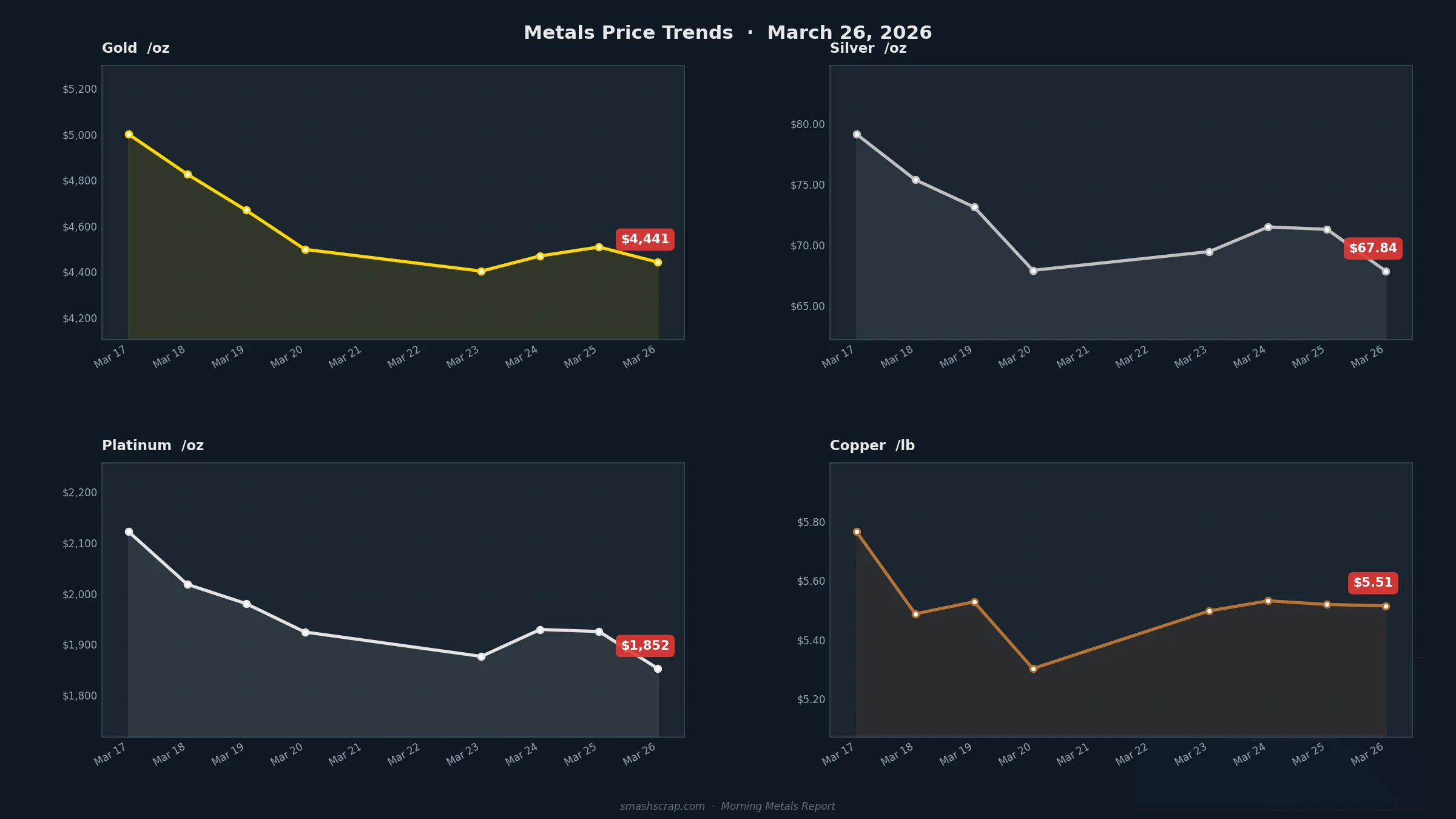
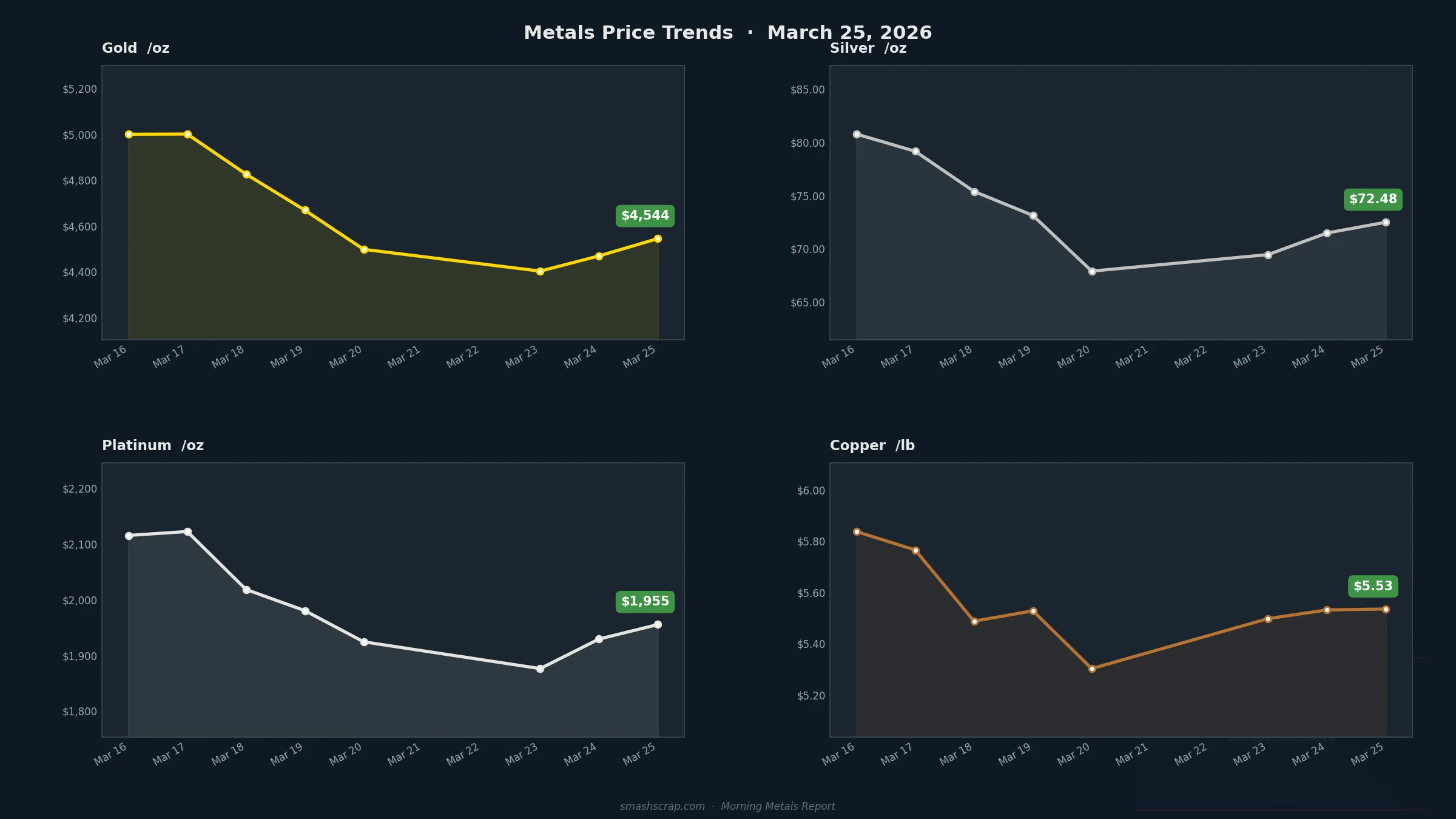
Recent global copper supply disruptions continue influencing copper scrap prices Jersey City dealers receive in March 2026. Mining strikes in Chile and environmental restrictions in Peru created supply shortages that ripple through North American scrap markets.
London Metal Exchange copper futures gained 8% this month, translating to improved pricing for #1 bare bright copper wire and clean copper tubing. Jersey City recyclers report increased buyer competition for high-grade copper materials.
The supply constraints benefit sellers who can access competitive bidding environments. When you explore the SMASH scrap metal marketplace, multiple buyers compete for quality copper lots, driving prices higher than traditional single-buyer relationships.
Regional Price Premiums Emerge
New Jersey copper processors now offer premiums for local delivery due to transportation cost increases. Diesel fuel price volatility and driver shortage concerns make regional sourcing more attractive to buyers.
This trend particularly benefits Jersey City sellers who can deliver materials within 50 miles of processing facilities. Local proximity becomes a competitive advantage in tight supply markets.
Digital Documentation Requirements Transform Scrap Trading
New Jersey's digital-first approach to scrap metal documentation aligns with broader industry trends toward electronic record-keeping. The state joins 23 others requiring digital transaction logs for recycled metals.
These requirements make platforms like SMASH increasingly valuable for both buyers and sellers. Digital marketplaces automatically generate compliant documentation, reducing administrative burdens while ensuring regulatory adherence.
Jersey City businesses that embrace digital trading platforms position themselves advantageously as paper-based operations struggle with compliance costs. The transition period extends through June 2026, giving operators time to adapt their systems.
Technology Integration Benefits
Modern scrap trading platforms integrate photography, GPS tracking, and seller verification into streamlined workflows. These features help Jersey City recyclers exceed minimum compliance requirements while improving operational efficiency.
Sellers who adapt early report 15-20% time savings on transaction processing compared to traditional paper-based methods. The efficiency gains compound when handling multiple buyers or high-volume transactions.
Trade Policy Updates Affect International Scrap Markets
Recent trade negotiations between the United States and key scrap importing nations create new opportunities for American recyclers. Updated export licensing procedures announced March 20, 2026, streamline international shipments for qualified sellers.
These changes particularly benefit operations pursuing best scrap metal prices New Jersey through export markets. International buyers often pay premiums for American-sourced materials due to quality consistency and regulatory compliance.
Jersey City's strategic port location provides advantages for exporters who can consolidate shipments efficiently. The updated trade policies reduce documentation requirements for shipments exceeding 20 tons to approved destinations.
However, sellers must work with licensed exporters who understand international compliance requirements. Professional trading platforms connect sellers with qualified export buyers while handling regulatory documentation automatically.
Export Market Opportunities
Asian steel mills continue seeking high-quality American scrap despite transportation costs. The quality premium for U.S. materials often exceeds shipping expenses, creating profitable opportunities for Jersey City sellers.
Electronic platforms make international selling accessible to smaller operations by aggregating materials and handling export logistics. Individual sellers can access global markets without managing complex international transactions directly.
Environmental Justice Initiatives Shape Facility Permitting
New Jersey's updated environmental justice guidelines affect scrap metal facility permitting and expansion approvals. The state now requires community impact assessments for new recycling operations in areas with existing environmental burdens.
These requirements don't restrict existing Jersey City operations but create higher barriers for new facility development. Current recyclers benefit from reduced competition while maintaining established customer relationships.
The permitting changes encourage operational efficiency improvements over facility expansion. Existing operations can increase throughput through technology upgrades and process optimization without triggering new environmental reviews.
Smart sellers leverage established facilities by accessing broader buyer networks through digital platforms. This approach maximizes pricing opportunities without requiring capital investments in new infrastructure. To read the latest scrap industry news and stay updated on regulatory developments, industry professionals rely on specialized information sources.
The environmental justice focus also creates opportunities for facilities demonstrating superior environmental performance. Operations with strong compliance records may receive preferential treatment in future permitting decisions.
Frequently Asked Questions
Q: How do New Jersey's new tracking requirements affect small scrap sellers in Jersey City?
Small sellers must maintain digital records for transactions over $50 and provide photo documentation of materials. Online platforms like SMASH automatically handle these requirements, making compliance easier for individual sellers.
Q: What documentation do I need to sell catalytic converters legally in New Jersey?
You need valid identification, proof of ownership for the vehicle source, and must provide a digital photograph of the converter. Licensed buyers verify these requirements before purchasing.
Q: Are copper scrap prices in Jersey City affected by the new regulations?
Regulations don't directly impact prices, but enhanced tracking requirements may reduce competition from unlicensed buyers. This often leads to better prices for sellers using compliant platforms.
Q: How can Jersey City recyclers find the best scrap metal prices in New Jersey?
Compare offers from multiple licensed buyers through auction platforms or request quotes from several local facilities. Market prices fluctuate daily based on commodity futures and local supply conditions.
Q: Do the new environmental regulations affect scrap metal pickup services?
Pickup services must maintain enhanced documentation but can still collect materials from residential and commercial locations. Get free scrap car pickup across Canada for vehicle recycling needs, while local New Jersey services handle other scrap materials.
Disclaimer: Scrap metal prices fluctuate based on market conditions, commodity futures, and local supply/demand factors. Always verify current pricing with buyers before making selling decisions.
Ready to maximize your scrap metal returns while staying compliant with 2026 regulations? List your scrap on SMASH today — register for free at smashscrap.com.