
Minneapolis Metal Market Shakeup: New Regs & Gulf Crisis
Industry News Update: Scrap Metal Recycling Minneapolis Sees Major Changes This Week
The scrap metal recycling Minneapolis market faces significant shifts as new federal regulations and global commodity disruptions reshape the industry this April. From aluminum production halts in the Gulf to strengthened catalytic converter tracking requirements, these developments directly impact Minnesota recyclers and scrap sellers.
Minneapolis scrap yards and recycling facilities are adapting to enhanced documentation requirements that took effect nationwide this month. The new federal guidelines demand more detailed record-keeping for high-value materials, particularly catalytic converters and copper-bearing components.
Gulf Aluminum Crisis Impacts Minneapolis Copper Scrap Prices
Emirates Global Aluminium's production halt following regional tensions has sent shockwaves through North American metals markets. The disruption affects aluminum availability globally, creating downstream effects for copper scrap prices Minneapolis operations.
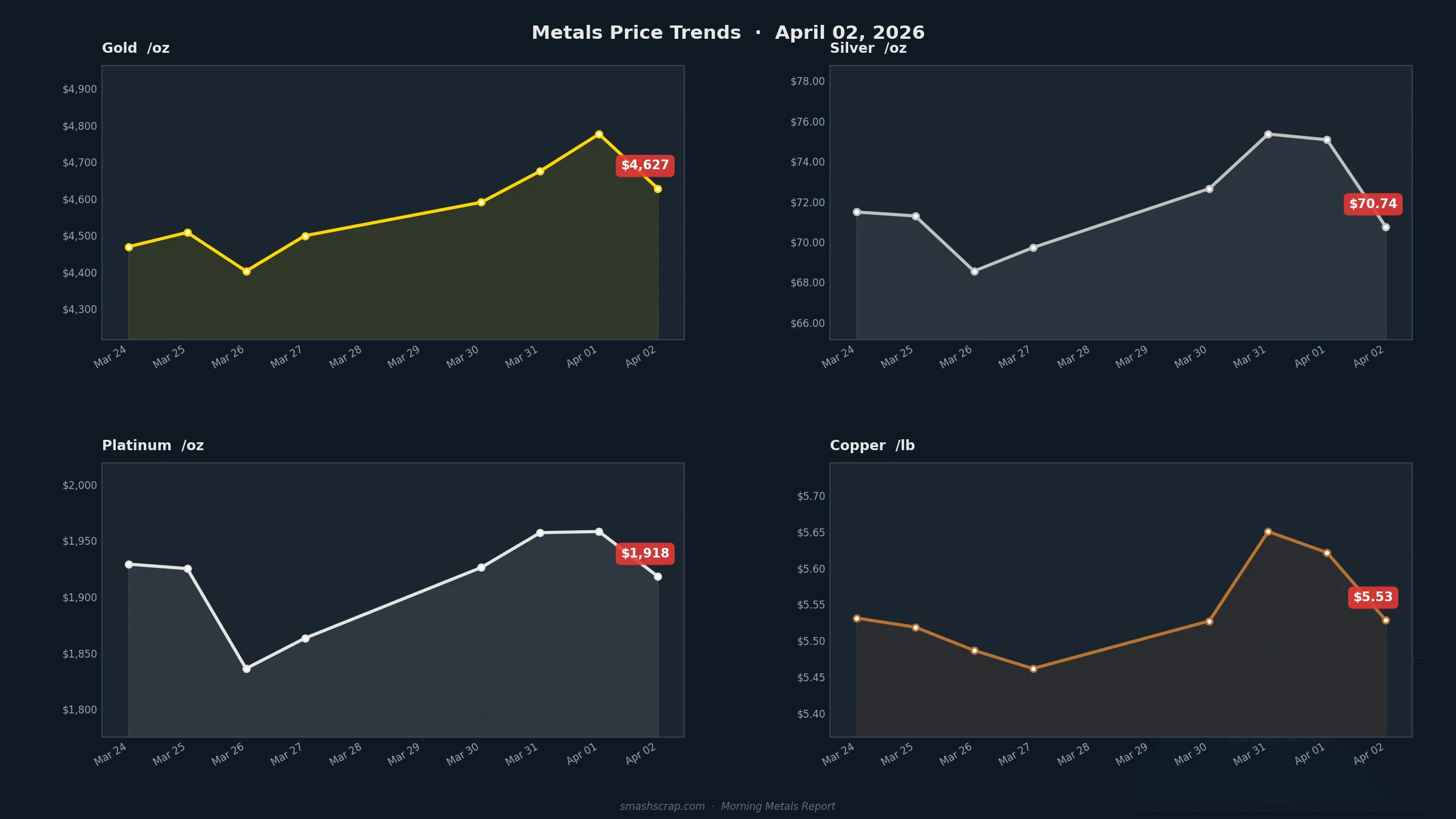
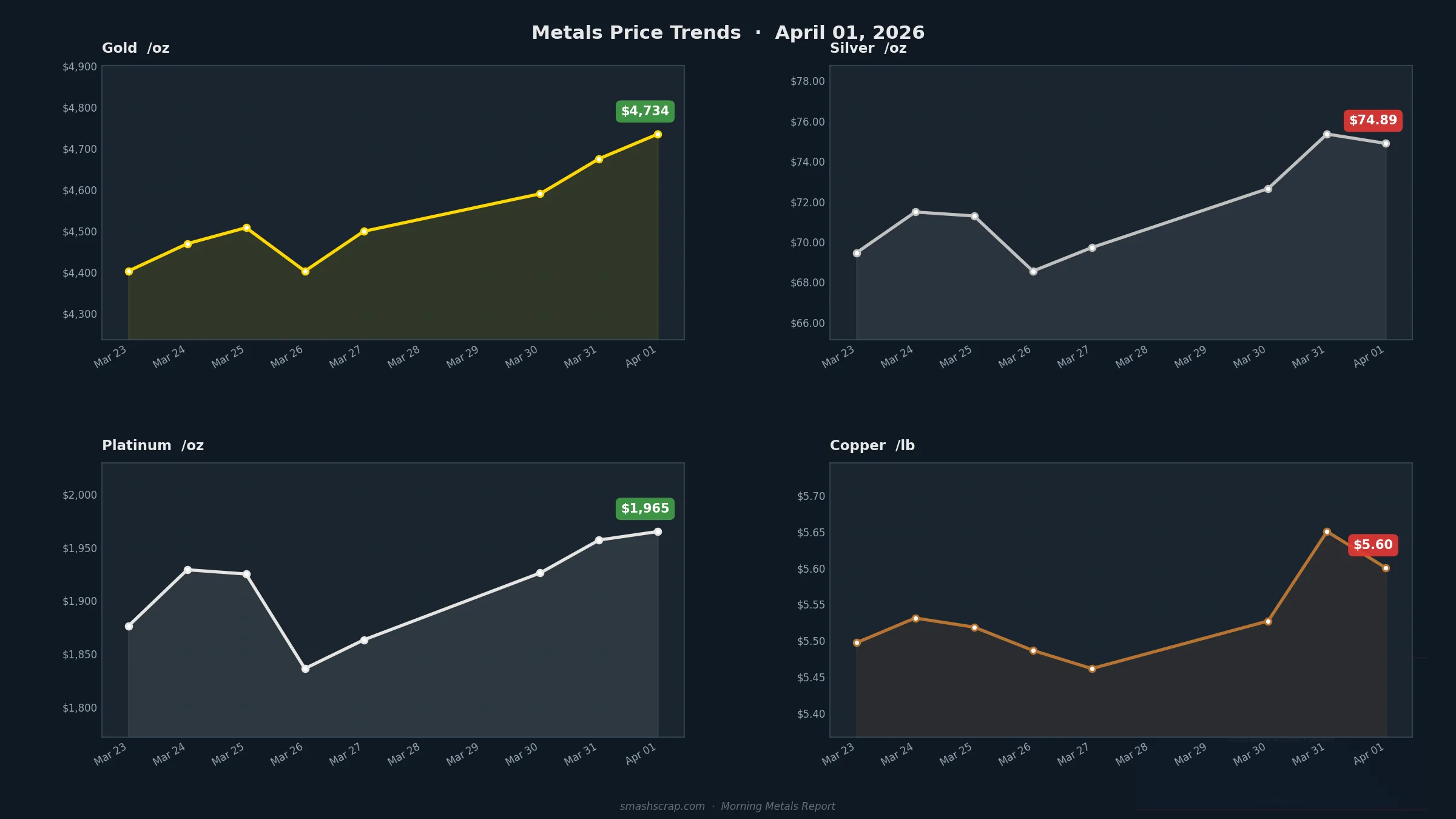
Minnesota recyclers report increased demand for copper alternatives as manufacturers seek substitute materials. Local scrap yards in Minneapolis have seen copper prices fluctuate 8-12% over the past week as industrial buyers adjust their procurement strategies.
The supply chain disruption benefits Minneapolis area copper recyclers who can provide consistent material flow. SMASH Scrap — North America's B2B scrap metal auction platform has facilitated record copper transactions as buyers compete for available inventory.
Enhanced Catalytic Converter Tracking Rules Take Effect
New federal regulations implemented April 1st require stricter documentation for catalytic converter transactions across Minnesota. The rules mandate VIN number recording, seller identification verification, and enhanced chain-of-custody tracking for all catalytic converter sales.
Minneapolis law enforcement collaborated with state recycling associations to develop compliance guidelines. The regulations aim to reduce theft while maintaining legitimate recycling operations throughout Minnesota.
Sellers looking to sell catalytic converters online now need additional documentation. Legitimate platforms like SMASH have updated their verification processes to ensure compliance while streamlining transactions for qualified sellers.
- Photo documentation of catalytic converter serial numbers
- Vehicle registration or ownership proof requirements
- Enhanced seller identity verification protocols
- Mandatory holding periods for certain high-risk transactions
Minnesota Environmental Standards Strengthen for 2026
The Minnesota Pollution Control Agency announced updated environmental standards for scrap metal facilities effective this quarter. The regulations focus on groundwater protection and air quality improvements at recycling operations.
Minneapolis area facilities must implement new containment systems for hydraulic fluids and coolants. The standards also require enhanced stormwater management at outdoor storage yards.
These environmental improvements support sustainable recycling practices while maintaining Minnesota's competitive position in the scrap metal industry. Facilities meeting the new standards qualify for state tax incentives and expedited permitting processes.
Recyclers can explore the SMASH scrap metal marketplace to connect with environmentally compliant buyers who prioritize sustainable sourcing practices.
Market Analysis: Best Scrap Metal Prices Minnesota Outlook
Current market conditions favor Minneapolis area scrap sellers seeking best scrap metal prices Minnesota has to offer. The combination of supply disruptions and strong industrial demand creates opportunities for strategic sellers.
Gold's recent volatility, with analysts suggesting potential corrections toward $3,800, reflects broader precious metals uncertainty. However, base metals including copper, aluminum, and steel maintain strong fundamentals driven by infrastructure spending and manufacturing recovery.
Minnesota's central location provides logistics advantages for accessing multiple regional markets. Minneapolis recyclers can reach Chicago, Detroit, and Canadian buyers efficiently, maximizing price competition for their materials.
Recent acquisitions in the scrap sector, including international expansion by major players, signal continued industry consolidation. This trend typically benefits sellers through improved pricing and more efficient processing capabilities.
Key Price Drivers for April 2026:
- Geopolitical tensions affecting aluminum and specialty metals supply
- Infrastructure spending increasing steel and copper demand
- Environmental regulations creating compliance costs
- Supply chain diversification efforts by manufacturers
Technology and Digital Platform Updates
Digital transformation continues reshaping how Minneapolis area recyclers conduct business. Online auction platforms and electronic documentation systems streamline transactions while improving transparency.
SMASH has processed increasing volumes of Minnesota scrap transactions as sellers embrace digital solutions. The platform's verification systems align with new regulatory requirements while maintaining transaction efficiency.
Blockchain-based tracking systems are gaining adoption for high-value materials like catalytic converters and precious metal-bearing components. These systems provide immutable transaction records that satisfy regulatory requirements while reducing compliance costs.
Minneapolis recyclers investing in digital capabilities report improved margins and faster inventory turnover. The technology investments pay dividends through reduced administrative overhead and expanded market reach.
Industry professionals can read the latest scrap industry news to stay current on technological developments affecting the recycling sector.
Regional Recycling Events and Industry Initiatives
Minnesota's spring recycling season launches with expanded community collection programs throughout the Twin Cities metropolitan area. These programs increase scrap metal volumes while educating consumers about proper recycling practices.
The University of Minnesota's recycling research program announced new partnerships with Minneapolis area scrap yards to develop advanced sorting technologies. The initiative focuses on improving recovery rates for complex electronic waste and automotive components.
Regional trade associations are organizing spring conferences to address regulatory compliance and market developments. These events provide networking opportunities and continuing education for Minnesota's recycling professionals.
Auto recyclers benefit from partnerships with services like getmyscrapcar.com that connect vehicle owners with legitimate recycling operations throughout Minnesota.
Looking Ahead: Regulatory and Market Trends
The second quarter of 2026 promises continued regulatory evolution as federal and state agencies refine scrap metal oversight. Minnesota recyclers should prepare for additional documentation requirements and enhanced enforcement activities.
Market fundamentals remain positive for most scrap categories, with infrastructure spending and manufacturing reshoring supporting demand. However, sellers should monitor global supply chain developments that could affect regional pricing.
Environmental regulations will likely expand beyond current requirements as Minnesota pursues carbon neutrality goals. Recyclers investing in clean technologies position themselves advantageously for future compliance mandates.
The industry's digital transformation accelerates as younger professionals enter the workforce expecting modern transaction systems. Traditional operations risk falling behind competitors who embrace technology platforms.
Disclaimer: Scrap metal prices fluctuate based on market conditions, location, and material quality. Check current rates with buyers before making transactions.
Frequently Asked Questions
Q: How do the new catalytic converter regulations affect Minneapolis sellers?
Minneapolis sellers must provide additional documentation including VIN numbers and ownership proof when selling catalytic converters. Legitimate sellers benefit from reduced competition from stolen materials, potentially improving prices for legal transactions.
Q: What are current copper scrap prices in Minneapolis compared to other Minnesota cities?
Minneapolis copper prices typically match or exceed other Minnesota markets due to higher competition among buyers and better transportation access. Prices can vary 5-10% based on volume, quality, and current market conditions.
Q: Where can I find the best scrap metal prices in Minnesota?
The best prices come from comparing multiple buyers and timing sales strategically. Online auction platforms like SMASH allow sellers to reach multiple buyers simultaneously, often resulting in competitive bidding and higher final prices.
Q: Are there seasonal patterns for scrap metal recycling in Minneapolis?
Spring and summer typically see higher scrap volumes as construction projects increase and weather permits easier material handling. Winter months may offer better prices due to reduced supply, but transportation challenges can offset price advantages.
Q: How do environmental regulations affect scrap metal recycling operations in Minnesota?
New environmental standards require enhanced containment systems and stormwater management at recycling facilities. While compliance costs increase, facilities meeting standards qualify for tax incentives and expedited permitting processes.
List your scrap on SMASH today — register for free at smashscrap.com.
Follow SMASH on LinkedIn at https://www.linkedin.com/company/scrap-metal-auction-sales-hub for the latest industry updates and scrap metal market insights.