# How to Identify Rhodium in Catalytic Converters: A Complete Guide for Newark Scrappers
The rhodium price has reached unprecedented levels in 2026, making it one of the most valuable precious metals in catalytic converters. For scrap dealers and recyclers in Newark, knowing how to identify rhodium-containing catalytic converters can mean the difference between a modest payday and striking gold. This precious metal, often overshadowed by platinum and palladium discussions, commands premium prices that savvy scrappers can't afford to miss.
Newark's bustling automotive recycling scene presents countless opportunities to find rhodium-rich catalytic converters. But identifying them requires knowledge, patience, and the right approach. This guide walks you through every step of the rhodium identification process, from visual inspection to professional testing methods.
## Understanding Rhodium's Role in Catalytic Converters
Rhodium serves as a crucial component in three-way catalytic converters, primarily reducing nitrogen oxide emissions in gasoline engines. Unlike platinum and palladium, rhodium appears in smaller quantities but commands significantly higher prices per ounce.
Most rhodium-containing catalytic converters come from gasoline-powered vehicles manufactured between 1990 and present day. Diesel converters typically contain little to no rhodium, focusing instead on platinum and palladium combinations. This distinction becomes critical when sorting through
cash for junk cars Newark inventory.
The concentration of rhodium varies dramatically between vehicle types. Luxury vehicles, sports cars, and trucks often contain higher rhodium concentrations than economy cars. Understanding these patterns helps prioritize your identification efforts for maximum return on investment.
## Visual Identification Techniques
### Step 1: Examine the Converter Housing
Start by inspecting the catalytic converter's exterior housing. Rhodium-rich converters often feature specific design characteristics that experienced scrappers learn to recognize. Look for oval or round housings with heat shields, typically measuring 6-12 inches in length.
Check for manufacturer stamps and part numbers etched into the housing. These markings provide valuable clues about the converter's internal composition. Document these numbers for research purposes before proceeding with physical testing.
### Step 2: Assess the Honeycomb Structure
Remove the outer housing to expose the ceramic honeycomb substrate inside. Rhodium-containing substrates often display specific color patterns and cell densities. The honeycomb should appear intact without significant damage or melting, which could indicate previous processing attempts.
Count the cell density per square inch. Higher-end converters with rhodium typically feature 400-600 cells per square inch, compared to 200-300 for basic models. This density difference reflects the more sophisticated emission control requirements that necessitate rhodium usage.
## Professional Testing Methods
### XRF Analysis for Accurate Results
X-ray fluorescence (XRF) testing provides the most reliable method for confirming rhodium presence and concentration. Many professional scrap yards in New Jersey now offer XRF analysis services for a nominal fee. This investment pays dividends when dealing with high-value rhodium content.
SMASH Scrap — Canada's B2B scrap metal auction platform connects sellers with buyers who understand rhodium values and provide accurate testing results. Professional buyers on the platform use certified XRF equipment to ensure fair pricing based on actual metal content.
### Chemical Testing Alternatives
For field testing, rhodium test kits offer a more accessible alternative to XRF analysis. These kits use chemical reactions to indicate rhodium presence, though they provide less precise concentration measurements. Always follow safety protocols when using chemical testing solutions.
Perform tests on small samples removed from inconspicuous areas of the honeycomb. Document your results with photos and notes for future reference. This documentation becomes valuable when
you browse live scrap metal auctions to understand market pricing trends.
## Vehicle-Specific Rhodium Hotspots
### Luxury and Performance Vehicles
European luxury brands like BMW, Mercedes-Benz, and Audi frequently use rhodium-heavy catalytic converters in their gasoline engines. These vehicles target strict emission standards that require rhodium's superior reduction capabilities for nitrogen oxides.
Japanese performance vehicles, particularly those from Toyota's Lexus division and Honda's Acura brand, also contain significant rhodium concentrations. Sports cars and high-performance sedans from these manufacturers represent prime targets for rhodium recovery.
### Truck and SUV Applications
Full-size trucks and SUVs often contain multiple catalytic converters, increasing the potential rhodium yield per vehicle. Ford F-Series trucks, Chevrolet Silverados, and similar heavy-duty vehicles frequently feature rhodium-containing converters in their exhaust systems.
The larger engine displacement in these vehicles requires more sophisticated emission control, driving up rhodium usage. When evaluating
cash for junk cars Newark opportunities, prioritize these vehicle types for rhodium recovery potential.
## Market Timing and Pricing Strategies
### Understanding Price Fluctuations
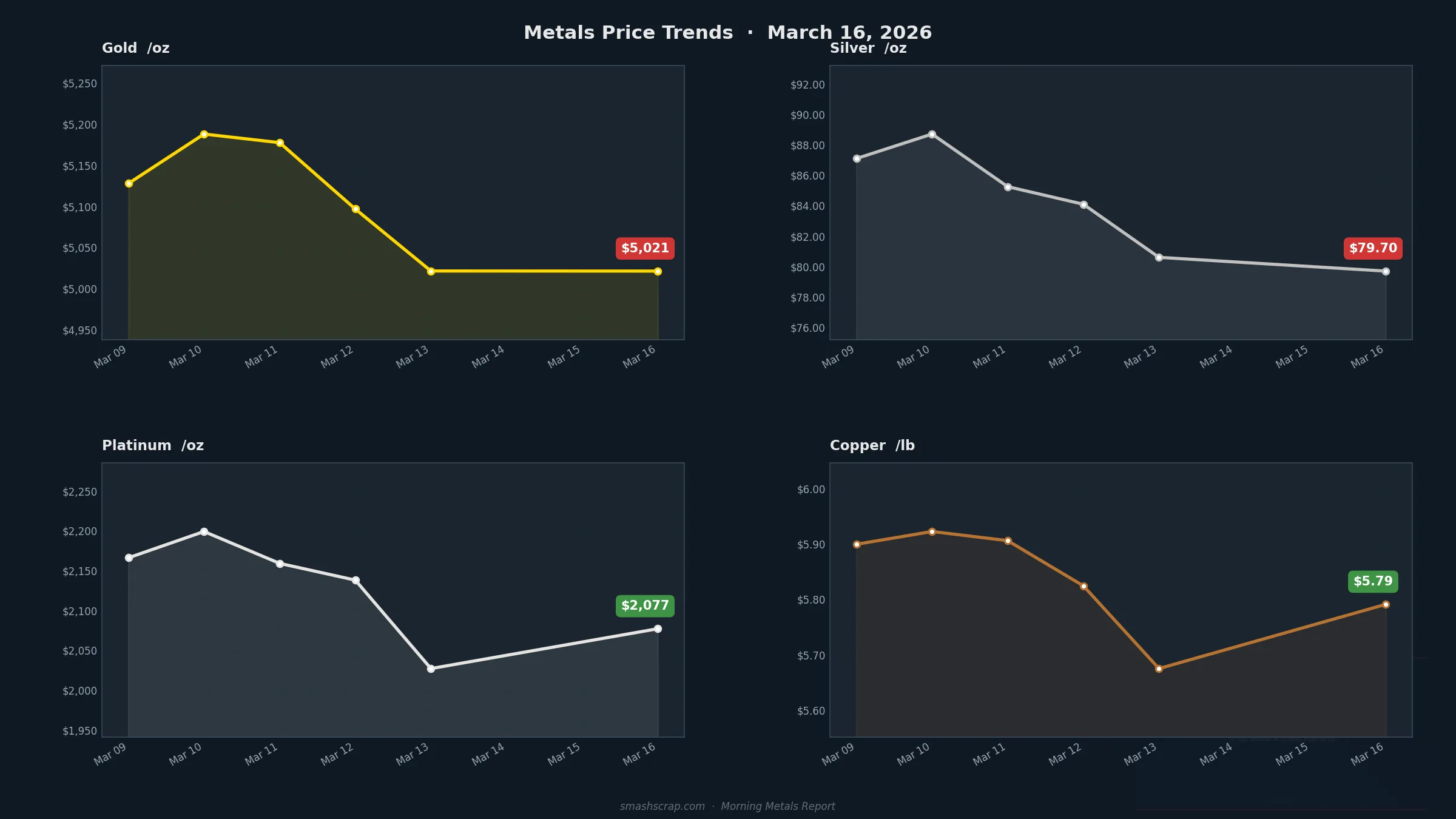
Rhodium prices experience significant volatility based on supply constraints and automotive production cycles. Monitor current market conditions through reputable precious metals pricing services before committing to sales. The best scrap metal prices New Jersey offers fluctuate daily based on global market conditions.
Consider holding rhodium-rich converters during market dips if storage capacity allows. However, balance holding costs against potential gains, especially in Newark's competitive scrap market where cash flow often takes priority over speculation.
### Strategic Selling Approaches
When you
sell catalytic converters online, timing your sales around market peaks maximizes returns. Professional buyers understand rhodium values and pay accordingly for properly identified high-content converters.
Build relationships with multiple buyers to ensure competitive pricing. Document your rhodium identification success rate to establish credibility with premium buyers who pay top dollar for verified high-content materials.
## Safety and Legal Considerations
### Proper Handling Procedures
Always wear appropriate personal protective equipment when handling catalytic converters. The ceramic substrates can produce harmful dust particles when broken or damaged. Work in well-ventilated areas and use respiratory protection when necessary.
Store rhodium-rich converters separately from standard inventory to prevent cross-contamination and ensure accurate tracking. Proper organization becomes crucial when managing valuable materials with significant price differences.
### Documentation Requirements
Maintain detailed records of all rhodium-containing converters, including source vehicles, test results, and buyer information. New Jersey requires specific documentation for precious metal transactions, and proper record-keeping protects both sellers and buyers.
Read the latest scrap industry news to stay informed about changing regulations and market conditions affecting rhodium sales. Compliance with local and federal requirements protects your business and ensures continued market access.
## Frequently Asked Questions
Q: How much rhodium is typically found in a catalytic converter?
Most rhodium-containing catalytic converters hold between 1-5 grams of rhodium, though luxury vehicle converters can contain up to 10 grams. The exact amount depends on the vehicle type, engine size, and emission requirements. Always use professional testing to determine accurate rhodium content before selling.
Q: What's the current rhodium price per ounce in 2026?
Rhodium prices fluctuate daily based on market conditions, supply constraints, and automotive demand. Current prices typically range from several thousand to over ten thousand dollars per ounce. Check real-time precious metals pricing services for the most current rhodium price information before making sales decisions.
Q: Can I sell rhodium-containing catalytic converters online safely?
Yes, selling catalytic converters online through reputable platforms provides access to professional buyers who understand rhodium values. Ensure you work with verified buyers, maintain proper documentation, and follow all legal requirements for precious metal transactions in Newark and throughout New Jersey.
Q: Which vehicles are most likely to contain rhodium in their catalytic converters?
Gasoline-powered luxury vehicles, sports cars, and full-size trucks manufactured after 1990 typically contain the highest rhodium concentrations. European luxury brands, Japanese performance vehicles, and American trucks represent the best opportunities for rhodium recovery in Newark's automotive recycling market.
Q: Do I need special equipment to identify rhodium in catalytic converters?
While visual inspection provides initial guidance, accurate rhodium identification requires either XRF testing equipment or chemical test kits. Many professional scrap yards offer XRF analysis services, or you can invest in rhodium testing kits for field use. Professional testing ensures accurate valuation and fair pricing.
Ready to maximize your rhodium recovery profits? List your scrap on SMASH today — register for free at smashscrap.com.
*Disclaimer: Metal prices fluctuate constantly based on market conditions. Always check current rhodium price quotes before making buying or selling decisions.*