
Sort Scrap Metal San Diego: Prep Tips for Max Profits
How to Properly Sort and Prepare Scrap Metal for Maximum Profit in San Diego
When you're ready to sell scrap metal San Diego, proper sorting and preparation can mean the difference between pocket change and serious cash. Most sellers leave money on the table because they don't understand how scrap yards grade different metals. The aluminum scrap price today varies dramatically based on grade — clean aluminum siding fetches triple what mixed aluminum brings.
San Diego's thriving construction and aerospace industries generate massive amounts of high-value scrap metal. From aluminum aircraft parts to copper wiring from downtown renovations, knowing how to identify and prepare your materials properly maximizes your returns. This guide walks you through the essential steps to sort, clean, and prepare scrap metal like a pro.
Understanding Metal Categories and Current Market Values
Scrap metal falls into two main categories: ferrous (contains iron) and non-ferrous (no iron). Non-ferrous metals like copper, aluminum, and brass command higher prices because they don't rust and are easier to recycle. The aluminum scrap price today reflects strong demand from California's beverage and automotive industries.
Ferrous metals include steel, iron, and cast iron. While they trade at lower per-pound rates, high volumes can still generate significant revenue. A typical car contains both ferrous steel and non-ferrous aluminum, copper, and catalytic converters.
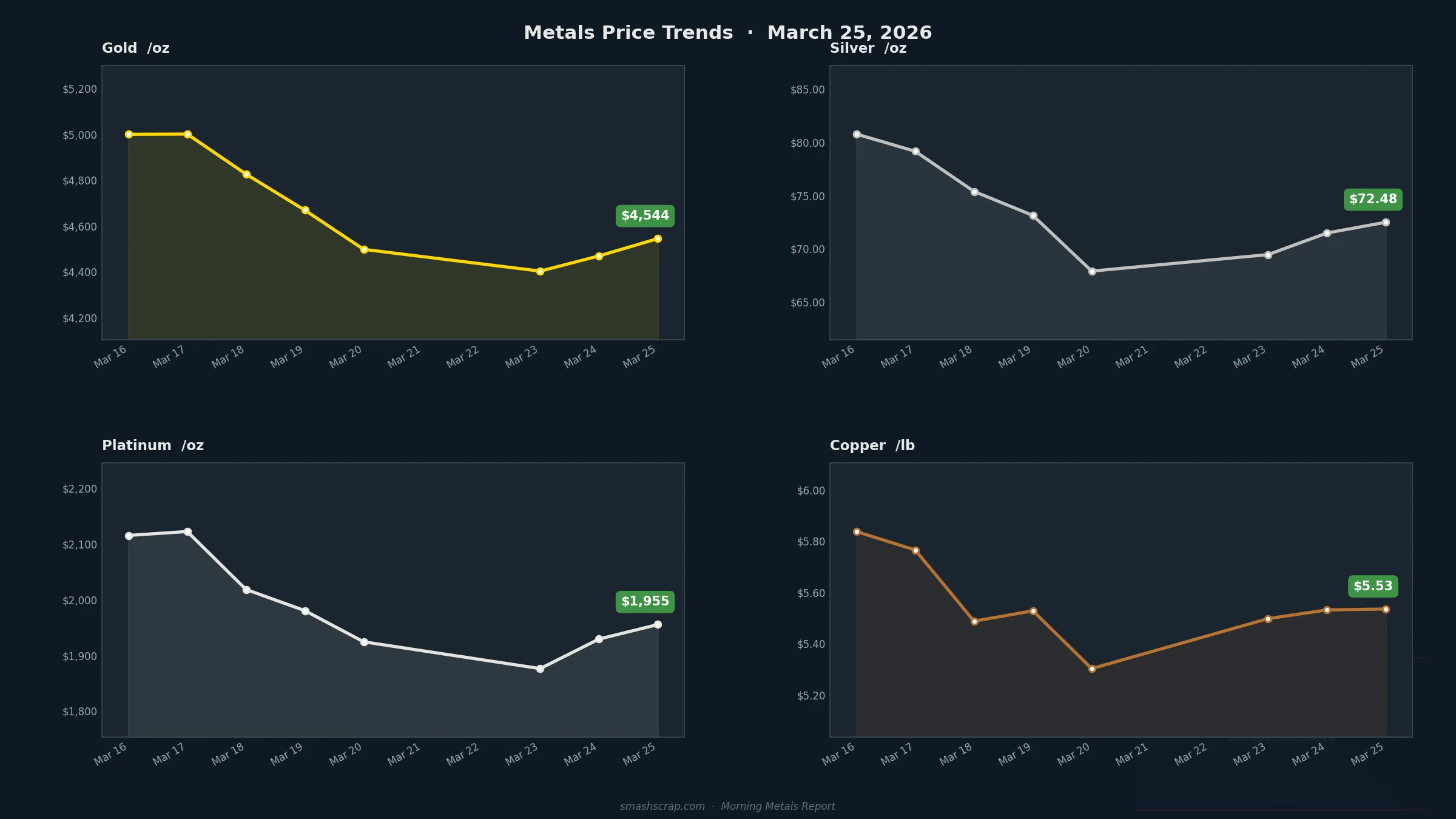
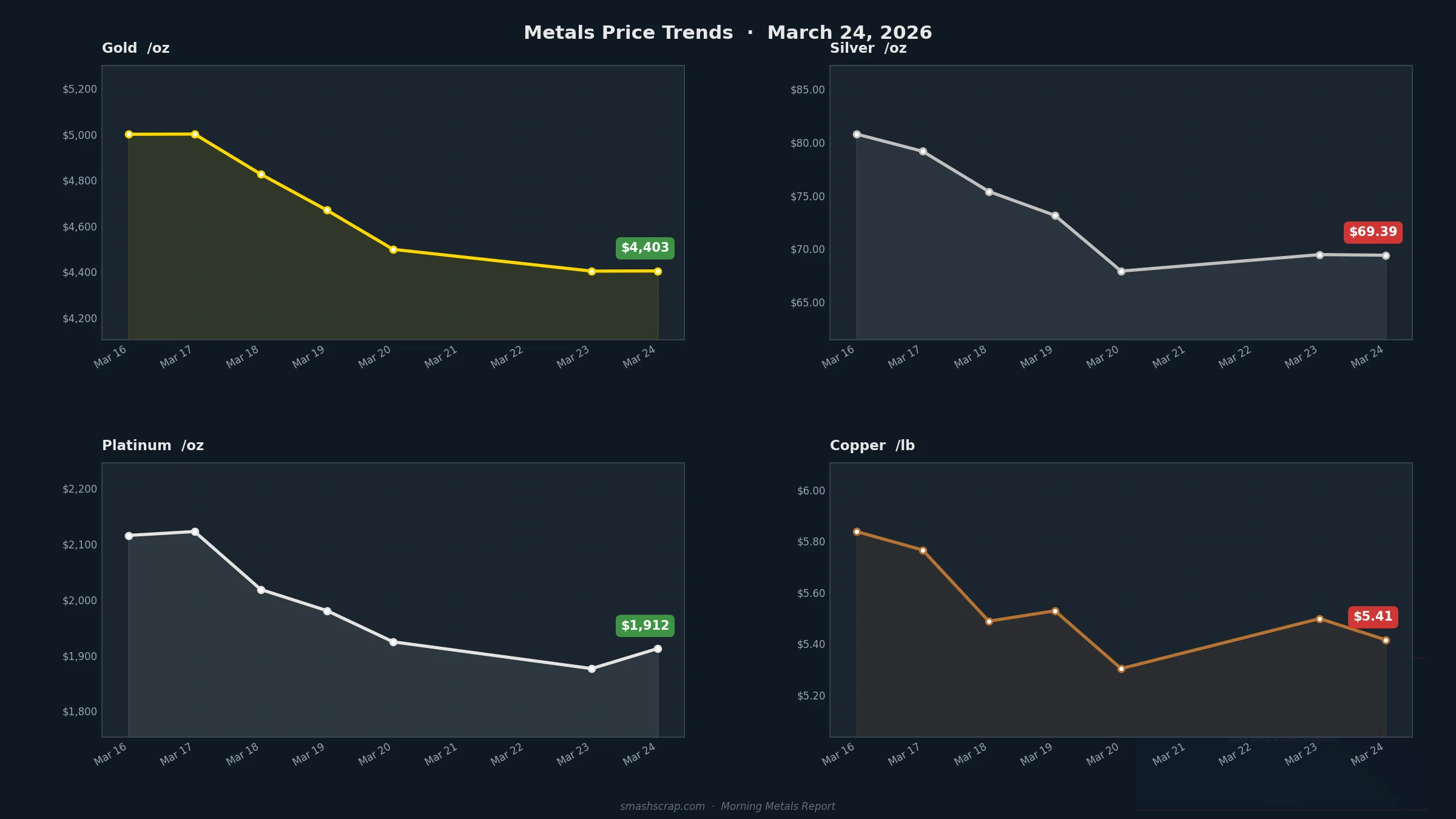
Current scrap metal prices today are influenced by global commodity markets, with copper near multi-year highs due to infrastructure spending and electric vehicle demand. California's stringent recycling requirements also create premium markets for properly sorted materials.
Step-by-Step Metal Sorting Process
Follow these numbered steps to maximize your scrap value:
- Start with the magnet test. Use a strong magnet to separate ferrous from non-ferrous metals. If it sticks, it's ferrous (steel, iron). If not, it's likely copper, aluminum, or brass.
- Identify copper grades. Bright copper wire (clean, uncoated) brings top dollar. Remove all insulation and keep separate from copper tubing or mixed copper materials.
- Sort aluminum by cleanliness. Clean aluminum siding, gutters, and window frames command premium prices. Separate from painted aluminum or materials with steel attachments.
- Grade your steel. Heavy steel (I-beams, machinery parts) typically pays more per pound than light steel (car body panels, appliances).
- Isolate specialty metals. Stainless steel, brass fixtures, and lead materials require separate containers due to their higher values.
Professional recyclers on platforms like SMASH Scrap — North America's B2B scrap metal auction platform often pay premiums for properly sorted materials because it saves them processing time.
Essential Preparation Techniques for Higher Payouts
Preparation work directly impacts your bottom line. Clean materials command significantly higher prices than contaminated scrap.
For Copper Materials:
- Strip all insulation from copper wire using wire strippers
- Remove brass fittings and steel attachments
- Keep different copper grades separate (bright copper vs. copper tubing)
- Avoid burning insulation — it creates contaminated copper that buyers reject
For Aluminum Scrap:
- Remove steel screws, hinges, and attachments
- Separate painted from unpainted aluminum
- Clean off dirt, grease, and debris
- Keep cast aluminum (engine blocks) separate from sheet aluminum
For Steel and Iron:
- Remove non-ferrous attachments (copper, aluminum, brass)
- Drain all fluids from appliances and machinery
- Remove large non-metal components (plastic, rubber, glass)
- Separate stainless steel from regular steel
When you explore the SMASH scrap metal marketplace, properly prepared materials consistently receive higher bids from competing buyers.
Tools and Equipment for Professional-Level Preparation
Investing in basic tools pays for itself quickly when processing larger volumes of scrap metal.
Essential Tools:
- Strong neodymium magnet for accurate metal identification
- Wire strippers in multiple sizes for copper wire
- Reciprocating saw with metal-cutting blades
- Heavy-duty gloves and safety glasses
- Digital scale to verify weights before selling
Advanced Equipment for Higher Volumes:
- Wire granulator for processing large quantities of copper wire
- Plasma cutter for precise steel separation
- Hydraulic shear for cutting heavy structural steel
- Sorting bins and containers for organization
San Diego's mild climate allows year-round outdoor processing, but always work in well-ventilated areas and follow California's environmental regulations for scrap metal preparation.
Common Mistakes That Reduce Scrap Metal Value
Avoid these costly errors that can slash your profits:
Contamination Issues: Mixing metal grades creates lower-value "mixed" categories. Keep copper separate from brass, aluminum from steel, and clean materials from painted ones.
Incomplete Cleaning: Leaving attachments, insulation, or debris reduces per-pound prices significantly. Scrap yards often downgrade materials with excessive contamination.
Poor Market Timing: Scrap metal prices fluctuate daily based on commodity markets. Monitor trends and consider holding materials during temporary price dips.
Volume Errors: Small quantities often receive lower per-pound rates. Accumulate materials over time or partner with other sellers to achieve better pricing tiers.
Professional buyers who read the latest scrap industry news understand these market dynamics and can offer guidance on optimal selling strategies.
Many San Diego sellers also discover that get free scrap car pickup across Canada services extend into California, providing additional options for disposing of automotive scrap.
Frequently Asked Questions
Q: What's the difference between clean and dirty copper when I sell scrap metal San Diego?
Clean copper (bright copper) has no insulation, attachments, or corrosion and commands the highest prices. Dirty copper includes insulated wire, copper with steel attachments, or corroded materials, which typically pay 30-50% less per pound.
Q: How do aluminum scrap prices today compare to other metals?
Aluminum typically trades at $0.80-$1.20 per pound for clean materials, while copper ranges from $3.00-$4.50 per pound. Steel pays much less at $0.05-$0.15 per pound, but high volumes can still generate significant revenue.
Q: Should I wait for better scrap metal prices today or sell immediately?
Prices fluctuate based on global commodity markets, seasonal demand, and local supply. If you have storage space and current prices seem low, waiting 30-60 days might improve returns. However, storage costs and price volatility must be considered.
Q: What preparation increases scrap metal value the most in San Diego?
Proper sorting and cleaning provide the biggest return on effort. Stripping copper wire, removing steel attachments from aluminum, and separating metals by grade can double or triple your per-pound payments compared to mixed loads.
Q: Do scrap yards in San Diego require specific documentation?
California law requires valid photo ID for all scrap sales, and materials over certain values require additional documentation. Some yards photograph sellers and materials for theft prevention. Always bring proper identification and proof of ownership for valuable items.
Disclaimer: Scrap metal prices fluctuate daily based on market conditions. Check current rates before selling your materials.
Ready to maximize your scrap metal profits? List your scrap on SMASH today — register for free at smashscrap.com.