
Top 5 Scrap Metal Auction Strategies Minneapolis Sellers
5 Best Ways to Sell Scrap Metal in Minneapolis: A Complete Guide
Finding the best way to sell your scrap metal in Minneapolis can mean the difference between pocket change and serious profit. With steel scrap price today showing volatility and recycling markets constantly shifting, choosing the right selling method matters more than ever. Whether you're a contractor with leftover materials, a homeowner cleaning out your garage, or a business looking to monetize industrial waste, understanding your options helps maximize returns.
The Minneapolis scrap market offers several pathways to turn metal waste into cash. From traditional scrapyards to modern scrap metal auction platforms, each method has distinct advantages and drawbacks. This guide breaks down the five most effective ways to sell scrap metal online and offline, helping you choose the approach that matches your volume, timeline, and profit goals.
1. Online Scrap Metal Auction Platforms
Digital auction platforms have revolutionized how scrap sellers connect with buyers across Minnesota and beyond. SMASH Scrap — North America's B2B scrap metal auction platform leads this transformation by creating competitive bidding environments that drive up prices. Instead of accepting whatever your local yard offers, auctions let multiple buyers compete for your materials.
The auction format works particularly well for larger volumes or specialty metals that command premium prices. You set reserve prices to protect against lowball offers, and bidding transparency ensures fair market value. Most platforms handle logistics coordination, making the process seamless even for first-time sellers.
Auction timing matters significantly — listing when market demand peaks can boost final sale prices by 15-30% compared to quick local sales. The competitive atmosphere often reveals the true market value of your materials, especially for clean, sorted metals that attract serious buyers.
2. Traditional Scrapyards and Metal Recyclers
Local scrapyards remain the go-to option for immediate cash transactions in Minneapolis. These facilities offer instant payment and handle unsorted materials, making them convenient for small loads or urgent sales. Most yards accept everything from aluminum cans to steel beams, providing one-stop disposal for mixed metal collections.
The main advantage lies in simplicity — drive in, weigh your materials, get paid, and leave within an hour. Established Minneapolis recyclers understand local market conditions and often provide fair pricing for common metals like copper, aluminum, and steel. However, their prices typically reflect quick-turn wholesale rates rather than premium market values.
Building relationships with yard operators can improve pricing over time, especially for regular sellers. Some facilities offer contract pricing for consistent volumes, providing price stability in volatile markets while ensuring guaranteed outlets for your materials.
3. Direct Sales to Metal Fabricators and Manufacturers
Selling directly to companies that use scrap as raw material eliminates middleman markups and can generate the highest returns. Minneapolis hosts numerous manufacturing facilities that purchase specific metal types for production processes. This approach works best for clean, sorted materials that meet industrial specifications.
Success requires understanding each buyer's material requirements, quality standards, and delivery preferences. Fabricators often pay premiums for metals that save them processing time, such as pre-sorted aluminum or clean steel with minimal contamination. Building these relationships takes time but generates long-term value for consistent sellers.
Volume requirements typically exceed what individual sellers can provide, making this option more suitable for construction companies, demolition contractors, or businesses generating regular metal waste streams. Payment terms may extend beyond immediate cash but often compensate with higher per-pound rates.
4. Scrap Metal Brokers and Trading Companies
Metal brokers serve as intermediaries between sellers and end-users, leveraging market knowledge and buyer networks to optimize pricing. These professionals understand commodity cycles, international demand patterns, and quality specifications that affect pricing. For sellers with substantial volumes, brokers can access markets beyond Minneapolis and Minnesota.
Broker relationships prove valuable during market volatility when timing sales becomes crucial. They monitor steel scrap price today fluctuations and advise on optimal selling windows. Many brokers also provide logistics support, handling transportation and documentation for complex transactions.
Commission structures vary, but reputable brokers earn their fees by securing prices that exceed what sellers could achieve independently. This option works particularly well for industrial generators with regular scrap streams who want professional market management without developing internal expertise.
5. Specialized Online Marketplaces
Beyond auction platforms, several online marketplaces connect scrap sellers with buyers seeking specific materials. These platforms often focus on particular metal types or serve niche markets like automotive recycling or electronics recovery. The approach combines online convenience with targeted buyer matching.
Platforms like SMASH scrap have expanded beyond simple auctions to include fixed-price listings, direct negotiations, and hybrid selling models. This flexibility lets sellers choose the approach that best matches their materials and timeline constraints. Advanced search and filtering help buyers find exactly what they need, often resulting in premium pricing for well-described lots.
Success on these platforms requires good photography, detailed descriptions, and competitive pricing strategies. Sellers who invest time in quality listings typically achieve better results than those posting minimal information. Many platforms also provide market data and pricing guidance to help optimize listing strategies.
Choosing the Best Method for Your Situation
Your optimal selling approach depends on several factors including material volume, quality, timeline, and profit expectations. Small mixed loads often work best at local scrapyards for immediate cash. Larger volumes of clean, sorted materials may justify the extra effort required for auctions or direct sales to manufacturers.
Time sensitivity also influences strategy selection. If you need immediate payment, traditional yards provide instant transactions. If you can wait for better pricing, explore the SMASH scrap metal marketplace where competitive bidding often generates superior returns over patience-rewarding timeframes.
Consider combining methods for different material types. Sell common metals like steel and aluminum through local channels while reserving premium materials like copper or stainless steel for auction platforms where specialty buyers compete. This hybrid approach maximizes overall returns while maintaining operational efficiency.
Market timing affects all selling methods but becomes especially important for larger transactions. Read the latest scrap industry news to understand commodity trends and optimize your selling schedule. Even small timing improvements can generate significant additional revenue on substantial volumes.
Maximizing Your Scrap Metal Returns
Regardless of selling method, preparation significantly impacts final returns. Sorting materials by type and grade immediately improves pricing since buyers prefer clean, identified metals over mixed loads. Removing non-metallic attachments like plastic, rubber, or wood eliminates processing costs that reduce offers.
Documentation proves valuable for audit trails and tax purposes while also demonstrating professionalism that encourages better pricing. Weight certificates, material certifications, and origin documentation can justify premium pricing, especially for industrial-grade materials with known specifications.
Understanding market cycles helps time sales for maximum impact. Metals markets follow supply and demand patterns influenced by construction activity, manufacturing demand, and international trade conditions. Sellers who track these patterns can significantly improve their average selling prices over time.
Building multiple buyer relationships provides flexibility and leverage in negotiations. Whether working with local yards, online platforms, or direct buyers, having options prevents dependence on single outlets and enables competitive comparisons that drive better pricing across all channels.
For those with vehicles that have reached end-of-life, specialized services can maximize returns on automotive scrap. Schedule a free scrap car pickup to convert old vehicles into cash while ensuring proper recycling of valuable metals and components.
Frequently Asked Questions
Q: What's the best scrap metal auction platform for Minneapolis sellers?
SMASH Scrap stands out as North America's leading B2B auction platform, offering competitive bidding, transparent pricing, and logistics support. The platform connects Minneapolis sellers with buyers across the region, often generating higher returns than local yard sales. Registration is free, and the auction format ensures fair market pricing through competitive bidding.
Q: How do steel scrap prices today compare to historical averages?
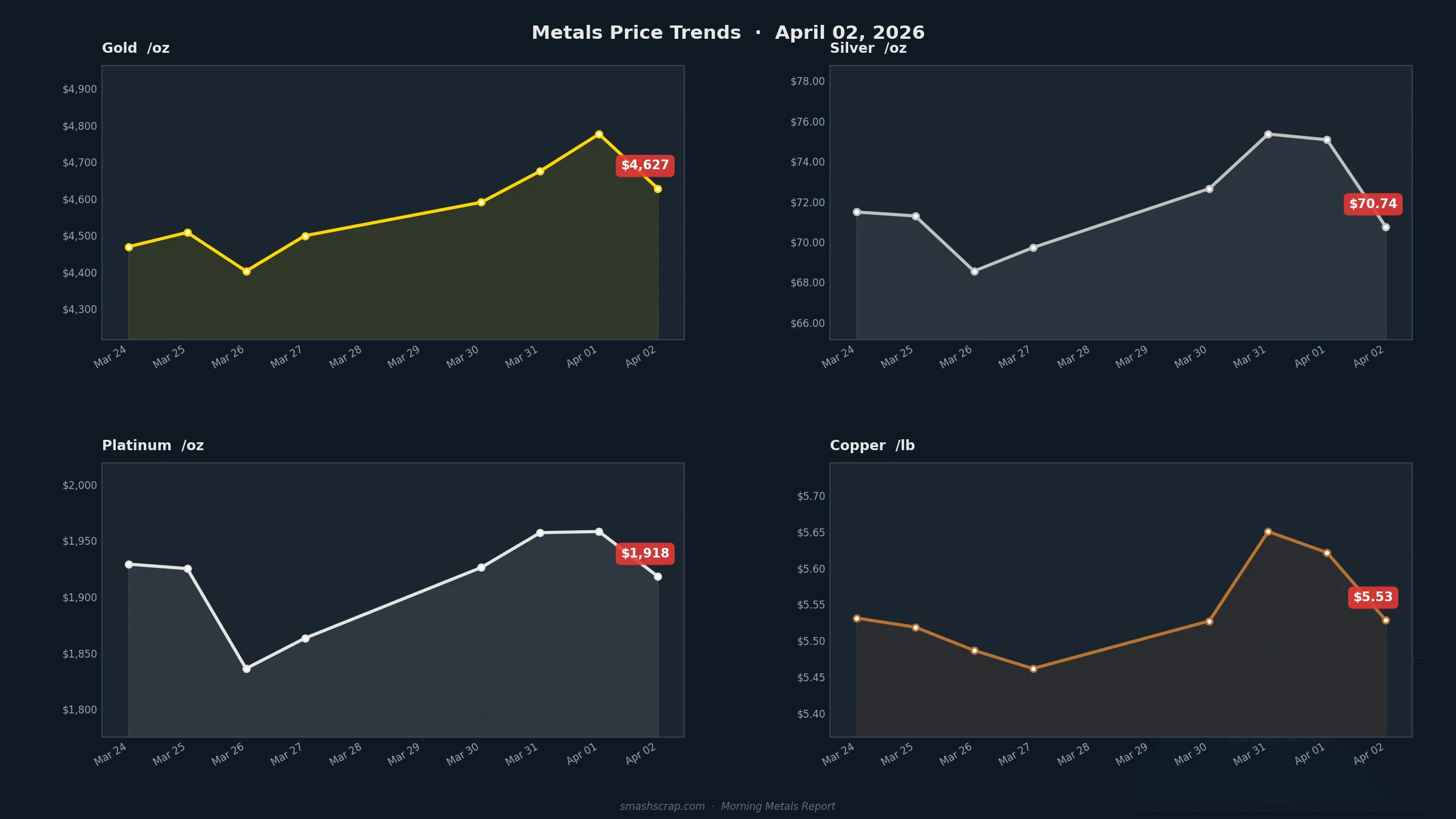
Steel scrap prices in April 2026 reflect current market conditions influenced by construction demand, automotive production, and international trade patterns. Prices fluctuate daily based on supply and demand factors, making it important to check current rates before selling. Auction platforms often provide better price discovery than fixed yard rates during volatile periods.
Q: Can I sell small amounts of scrap metal online profitably?
While online platforms work best for larger volumes, small sellers can still benefit by combining loads or focusing on high-value materials like copper or stainless steel. The key is understanding minimum lot sizes and shipping costs that affect profitability. Some platforms offer local pickup options that make smaller sales more viable.
Q: What documentation do I need to sell scrap metal in Minnesota?
Minnesota requires photo identification and proof of ownership for scrap sales, with additional documentation for certain materials like catalytic converters or copper wire. Commercial sellers need business licenses and may require material origin certificates. Keeping detailed records helps ensure compliance and can improve pricing with professional buyers.
Q: How long does the scrap metal auction process typically take?
Most scrap metal auctions run 3-7 days, allowing sufficient time for buyer discovery and competitive bidding. Payment processing typically takes 1-3 business days after auction close, with pickup scheduling coordinated between buyer and seller. Total time from listing to payment usually ranges 7-14 days, depending on logistics complexity.
Disclaimer: Scrap metal prices fluctuate constantly based on market conditions. Always check current rates before making selling decisions.
Ready to maximize your scrap metal returns? List your scrap on SMASH today — register for free at smashscrap.com.
Stay connected with the latest scrap metal market insights and industry developments by following SMASH on LinkedIn.